Initial Oral Examination for Children in Simpsonville, SC

When there is a specific concern, a procedure being considered, or a clinical picture that needs a closer look, an initial oral exam gives us the full context before anything is recommended. It is how we figure out exactly where things stand, what needs attention, and what can wait, without assuming anything upfront.
At Holly Tree Pediatric Dentistry, our team looks at teeth, gums, bite, jaw development, and how the mouth is functioning as a whole. How we involve you during the visit depends on parent and guardian preference and what we find during the exam. For treatments, parents typically observe through a window. Either way, before you leave, you get a clear picture of what we found, what it means, and what the right next step looks like for your child specifically.
Call us at (864) 297-5585 to schedule your child's oral exam.
What to Bring and Share Before the Exam
- Bring your full history. Past dental records, notes from your pediatrician, any injuries to the mouth, and current medications or allergies. The more context we have going in, the more useful the exam will be.
- Share your concerns. Thumb sucking, pacifiers, night bottles, mouth breathing, snoring, feeding trouble, or speech worries. If any of those are part of why you are here, bring them up.
- Mention sensory needs or past difficult visits. Our pediatric dentists can plan around your child's needs when they know ahead of time. How we involve you during the visit depends on parent and guardian preference and what we find during the exam. Either way, we want each visit to be positive and comfortable for the patient and the family.
- Write your questions down. Whether it is about a specific tooth, a habit, or a treatment option you have heard about, the exam is a good time to work through them.
How the Exam Works
1. A Full Look at Teeth and Gums
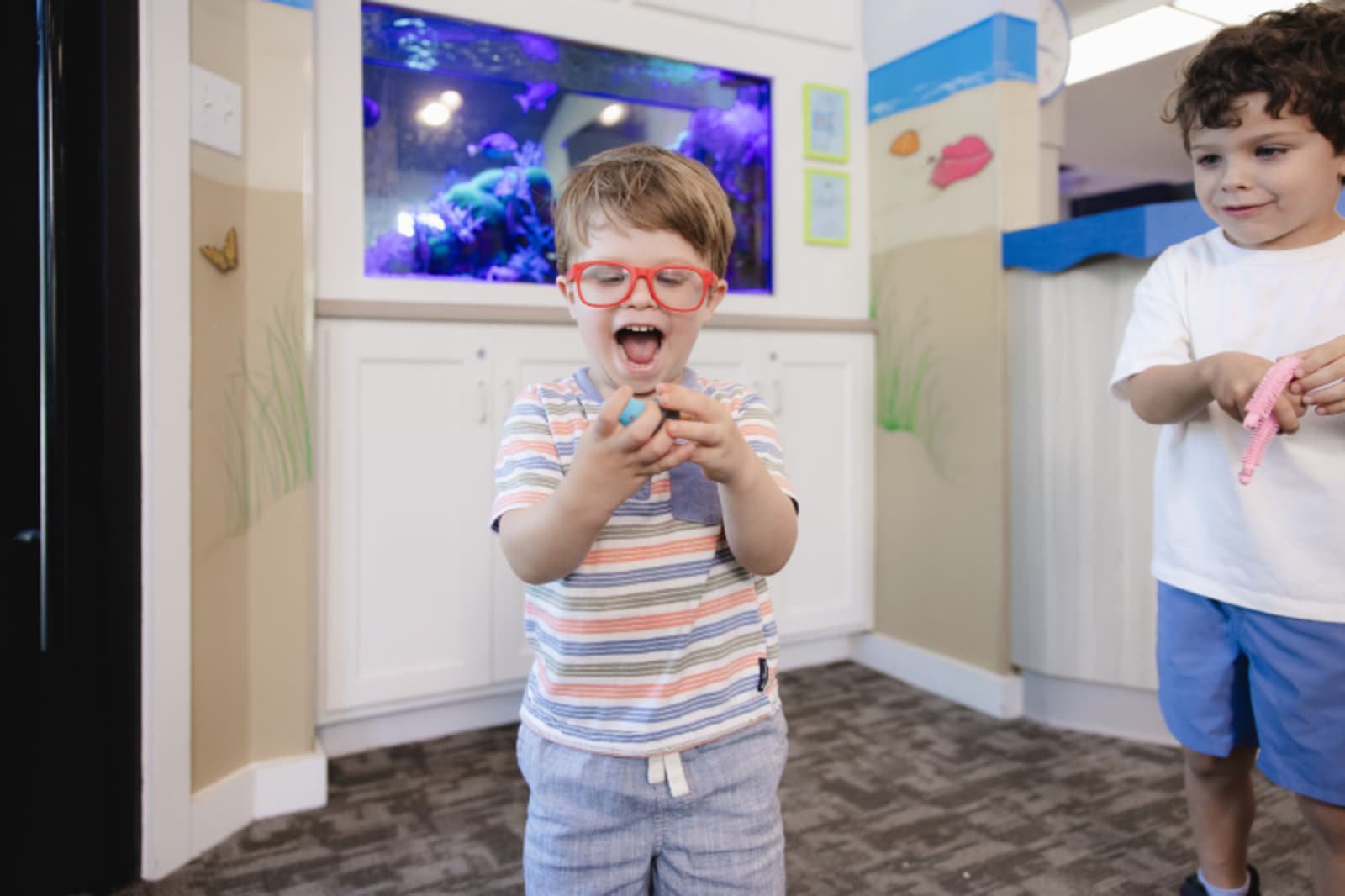
We examine every tooth that is in, plus the spaces where new teeth are forming. We are looking for early decay, spacing issues, staining, and the condition of the gums and inner cheeks. Our doctors are trained to provide a safe, positive, and fun environment during the exam to help your child cooperate.
2. Bite, Jaw, and Oral Development
We evaluate how the upper and lower teeth come together, how the jaws are developing, and whether the tongue and lips move freely. This is where a tongue tie or lip tie (a tight band of tissue that restricts how the tongue or lip moves) tends to show up, along with habits that may be shifting the bite over time.
3. Airway and Soft Tissue Screening
We look at the soft tissues of the mouth and screen for signs that may point to airway concerns, such as mouth breathing, snoring, or restricted tongue function. We also note any soft tissue anomalies or areas that warrant a closer look for pathology. When these show up, it helps us plan care that goes beyond just the teeth.
4. Cleaning and Fluoride, When Appropriate
If it makes sense that day, we may polish the teeth and apply fluoride varnish, a quick brush-on coating that strengthens enamel. This depends on what we find and your child's risk for getting cavities.
5. A Clear Summary Before You Leave
We close by walking you through the full picture: what looks healthy, what we are monitoring, and what treatment, if any, we recommend next. We also share specific home care guidance covering diet adjustments, hygiene technique, and habits worth changing, so you leave with a clear plan and practical next steps, not a list of questions you forgot to ask.
What the Oral Exam Actually Does for Your Child
- It finds problems before treatment begins. Early decay often shows up as a faint orange or white line near the gumline. Easy to miss at home, and far easier to treat when caught before it grows into something bigger. For families who want that clarity and trust before committing to a treatment plan, this is where it starts.
- It separates what needs attention from what can wait. Not every finding requires immediate treatment. When an oral exam is part of the process, it sorts what needs action now, what to monitor, and what is completely fine. That clarity shapes smarter next steps.
- It looks beyond the teeth. Feeding trouble, speech concerns, snoring, or mouth breathing can all surface during an oral examination. If any of those sound familiar, requesting an exam is a good place to start that conversation.
- It teaches you things you did not know to ask about. We are an education-forward practice, and part of that means sharing what we see even when it was not on your radar. The exam is a chance to learn what habits or dietary patterns may be putting your child's teeth at risk, and what small changes can prevent bigger problems down the road.
- It gives a procedure a solid starting point. For children being evaluated for a frenectomy, a bite concern, or something more involved, an oral examination makes sure the full picture is understood before anything is scheduled or started.
Who Benefits From an Initial Oral Examination
Every first visit at Holly Tree includes an initial oral examination. It is how we get to know your child's mouth before anything else is recommended. Beyond that, it is also a dedicated service we offer when there is a specific concern, a procedure being considered, or a clinical picture that needs a closer look before we move forward. It works for infants, toddlers, and school-age kids.
Some situations make it worth requesting sooner rather than later. Trouble latching or feeding, a traumatic injury involving the mouth or teeth, a discolored tooth, pain, swelling, or anything that does not look right to you. An oral exam gives us a clear clinical picture before we decide what, if anything, needs to happen next.
If your child is transferring from another practice, an oral examination is the starting point. Bring their records or we can request them, and we will review their history, flag anything that needs attention, and build a care plan around where they are right now.
How to Prepare and What Comes After
Before the Exam
- Write your questions down before you come in. Feeding concerns, speech worries, a tooth that looks off, a habit you are not sure about. All of it is worth bringing up.
- Bring anything clinically useful: current medications, known allergies, past dental or medical records, and any notes from your pediatrician.
- Let us know ahead of time about sensory needs, previous difficult experiences, or anything that helps your child feel more comfortable. We will take that into account.
- If your child was referred for a specific concern, bring that referral or any related records. It helps us focus on what matters most.
After the Exam
- Follow through on whatever concerns we discussed. If we recommended a change in brushing technique, a fluoride adjustment, dietary adjustments, or a follow-up on a specific tooth, those details matter between now and the next visit.
- If treatment was recommended, we will walk you through next steps before you leave. Nothing gets scheduled without your understanding and agreement first.
- Keep an eye on anything we asked you to monitor at home. If it changes or gets worse before your next appointment, call us rather than waiting.
- Any home care guidance we provide after the exam is specific to your child, not a generic checklist. You leave with a clear picture of where things stand and exactly what to do next.
Why Simpsonville Families Trust Holly Tree With Their Child's Oral Exam

We started with one doctor, seven chairs, and a straightforward goal: care for children the way we would want our own cared for. Today we have four pediatric dentists and double the space. That growth came from families who trusted us to find things early, read them accurately, and explain what they mean.
- Every provider here is a board certified pediatric specialist. Dr. Ann Bynum, Dr. Charowski, Dr. Jeffcoat, and Dr. Nashed each completed an additional two years of specialty training in pediatric dentistry after dental school. That extra training shapes how every oral examination here is read and what we look for.
- We Walk You Through Every Finding. We name what we see, show you on the x-ray (if applicable) or in the mouth, explain what it means in plain terms, and tell you exactly what comes next. No vague summaries, no dental jargon without a translation.
- Deep Clinical Experience in Tongue Tie and Airway. Dr. Bynum speaks nationally on tongue tie and airway development. If those concerns are part of why you are here, the oral exam will reflect that level of clinical depth.
- We Are an Education-Forward Practice. Sometimes you do not know what you do not know. Part of every oral exam is sharing what we see, even when it was not on your radar. We will tell you which habits or dietary patterns may be putting your child's teeth at risk, and what small changes can prevent bigger problems down the road.
- Your Child's History Informs the Exam. We keep detailed notes on what we found before, what worked, and what to watch. When an oral exam is part of your child's care, each one builds on the last so nothing gets missed over time.
FAQs About Initial Oral Examinations for Children
Does My Child Need an Exam Before Any Treatment Starts?
Yes, and this is the most useful starting point. An oral exam gives us a full picture of your child as a whole: their teeth, bite, jaw, oral habits, and even their demeanor, which shapes what treatment options are realistic and how we approach them. Anything we recommend comes from what we actually found, not a general assumption.
My Child Already Has a Dentist. Do They Still Need This?
Yes. We evaluate your child as a whole, including their teeth, oral structures, and overall development. Our treatment recommendations may differ from what they have heard elsewhere, and we want you to be fully informed before deciding whether to become a patient here. Bring any records you have and we will review them as part of the exam.
What if My Child Will Not Cooperate During the Exam?
It happens, and it does not derail anything. We work at whatever pace your child allows and gather what we can at a level that is comfortable with everyone involved. Even a partial exam gives us useful information to work from.
Will X-Rays Be Part of the Exam?
Only if there is a clear clinical reason, and only after we talk with you first. For many children, the hands-on exam tells us what we need to know. When X-rays would add useful information, we will explain why before taking them.
Can I Be in the Room During the Exam?
Yes. For younger children, you are often part of the exam itself, with your child resting across your lap and the dentist's. Older kids sit in the chair with you right beside them. You are not waiting down the hall for a summary.
What Happens if the Exam Finds Something That Needs Treatment?
We show you what we found, explain what it means in plain terms, and walk through your options before anything gets scheduled. Treatment happens at a separate visit, so you are never pressed into a decision on the spot.
Start With a Clear Picture
If you have a specific concern, a procedure coming up, or just want a clear clinical picture before moving forward, an oral examination is a good place to start. You will leave knowing exactly where things stand and what, if anything, needs to happen next.
Browse the full range of pediatric dental services we offer families in Simpsonville, or bring your questions when you come in. We like them.
Call us at (864) 297-5585 to schedule your child's exam.
Heading 1
Heading 2
Heading 3
Heading 4
Heading 5
Heading 6
Lorem ipsum dolor sit amet, consectetur adipiscing elit, sed do eiusmod tempor incididunt ut labore et dolore magna aliqua. Ut enim ad minim veniam, quis nostrud exercitation ullamco laboris nisi ut aliquip ex ea commodo consequat. Duis aute irure dolor in reprehenderit in voluptate velit esse cillum dolore eu fugiat nulla pariatur.
Block quote
Ordered list
- Item 1
- Item 2
- Item 3
Unordered list
- Item A
- Item B
- Item C
Bold text
Emphasis
Superscript
Subscript